 How Much Are They Worth?
Celebrity fortunes, explained
How Much Are They Worth?
Celebrity fortunes, explained
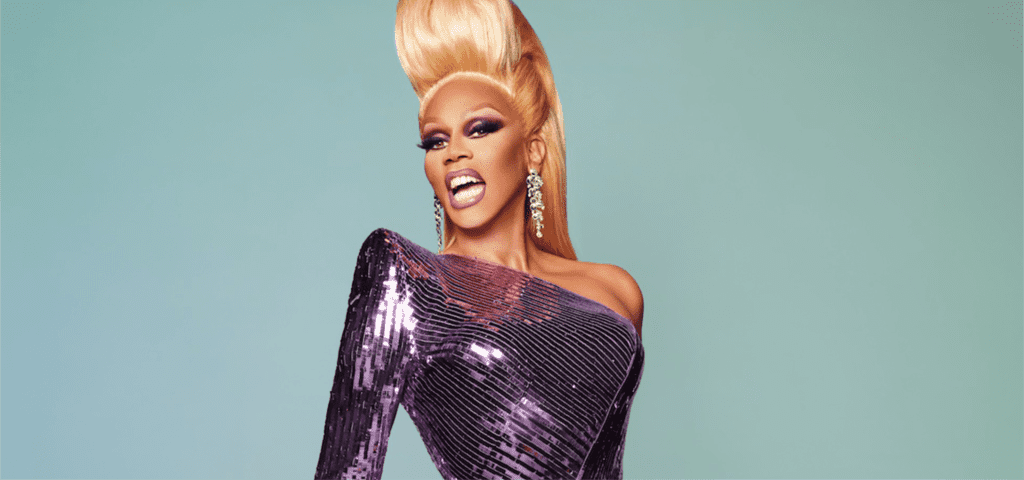
How did RuPaul build this fortune?
The answer unfolds through the career, earnings, deals and assets behind the headline estimate.
Before the fame
The background and early turning points that shaped RuPaul’s route to prominence.
RuPaul Andre Charles was born on November 17, 1960, in New Orleans, Louisiana, the third of four children and the only boy. His father, Irving Charles, worked as an electrician before later running a beauty supply business, and his mother, Ernestine, worked as a clerk in the registrar’s office at San Diego City College. After his parents separated, RuPaul was raised in San Diego by his mother alongside his three sisters in a strict Catholic household, according to Wikipedia. He attended Patrick Henry High School in San Diego but left partway through the 11th grade after repeated truancy. At 15, he moved to Atlanta with his sister to study performing arts, a decision that set the course for the rest of his career.
In Atlanta, RuPaul immersed himself in the city’s punk and underground club scene, performing with acts including the band Wee Wee Pole and appearing on local public-access television. He relocated to New York City in the mid-1980s, where he became a fixture of the downtown nightclub circuit, most notably the Pyramid Club, performing gender-bending, glam-punk stage acts that built a cult following well before mainstream recognition. During this period he also picked up small film and music-video appearances, including a memorable turn in the B-52’s “Love Shack” video in 1989, work that kept him visible while he searched for a wider platform.
The breakthrough years
The career decisions and defining moments that turned recognition into sustained earning power.
RuPaul’s breakthrough arrived in 1993 with the single “Supermodel (You Better Work),” the lead track from his debut album “Supermodel of the World,” which turned him into a genuine pop-culture crossover star. The following year he became the first drag performer to front a national cosmetics campaign when MAC Cosmetics named him the inaugural face of its Viva Glam lipstick line in 1994, a campaign that also raised money for HIV and AIDS charities. Riding that momentum, he landed his own talk show, “The RuPaul Show,” which ran on VH1 from 1996 to 1998 and made him the first drag queen to host a mainstream network talk show, further cementing his position as a crossover entertainer rather than a niche performer.

What the work can earn
Reported pay, contracts, royalties and performance income reveal how the fortune was funded.
RuPaul’s defining achievement is “RuPaul’s Drag Race,” which premiered on Logo TV on February 2, 2009, and later moved to VH1 as its audience grew. The show has since spun off into “All Stars” and more than a dozen international franchises, including versions in the United Kingdom, Australia and New Zealand, Spain, Italy, France, Thailand, Canada, and the Netherlands and Belgium. According to the Television Academy, RuPaul has won 14 Emmy Awards from 22 nominations, including eight consecutive wins for Outstanding Host for a Reality or Competition Program between 2016 and 2023, a record confirmed by Variety, which also notes he is the most nominated reality host in Emmy history and the most decorated Black Emmy winner of all time.
RuPaul received the 2,631st star on the Hollywood Walk of Fame on March 16, 2018, an honor covered at the time by the Hollywood Reporter. He has also been inducted into the California Hall of Fame in recognition of his cultural impact, and in March 2024 his memoir, “The House of Hidden Meanings,” was published by HarperCollins and debuted as a number one New York Times bestseller, a milestone reported by the Hollywood Reporter. Taken together, the Emmy record, the Walk of Fame star, and the bestselling memoir reflect an unusually broad level of mainstream recognition for a performer who built his career in underground drag clubs.
The business beyond the main career
Endorsements, ownership interests and investments can keep compounding long after the initial breakthrough.
RuPaul’s endorsement history begins with the 1994 MAC Viva Glam campaign referenced above, which established him as the first drag performer to anchor a national beauty brand deal. He has since released additional cosmetics collaborations, including a line with Mally Beauty sold through QVC and a partnership with the makeup brand Colorevolution. “RuPaul’s Drag Race” itself attracted Absolut Vodka as an early and long-running corporate sponsor, a relationship covered by Ad Age, which helped fund the show’s early seasons and cross-promoted RuPaul’s brand within the LGBTQ+ market.
Beyond hosting, RuPaul is an executive producer of “Drag Race” alongside production company World of Wonder, co-founded by Fenton Bailey and Randy Barbato, giving him a direct stake in the franchise’s ongoing production and licensing revenue. He also co-created RuPaul’s DragCon, a fan convention that launched in 2015 and has grown into a major live events business; coverage from Glossy reported that DragCon drove more than $8.2 million in on-site vendor sales in a single year, with the large majority of attendees making purchases. His output as an author spans several decades, including “Lettin It All Hang Out” (1995), “Workin’ It! RuPaul’s Guide to Life, Liberty, and the Pursuit of Style” (2010), “GuRu” (2018), and the bestselling 2024 memoir noted above, alongside a recording career stretching back to 1993 that continues to generate catalog royalties.
Notable luxury item
A reported property or major asset offers a tangible glimpse of the wealth behind the public estimate.
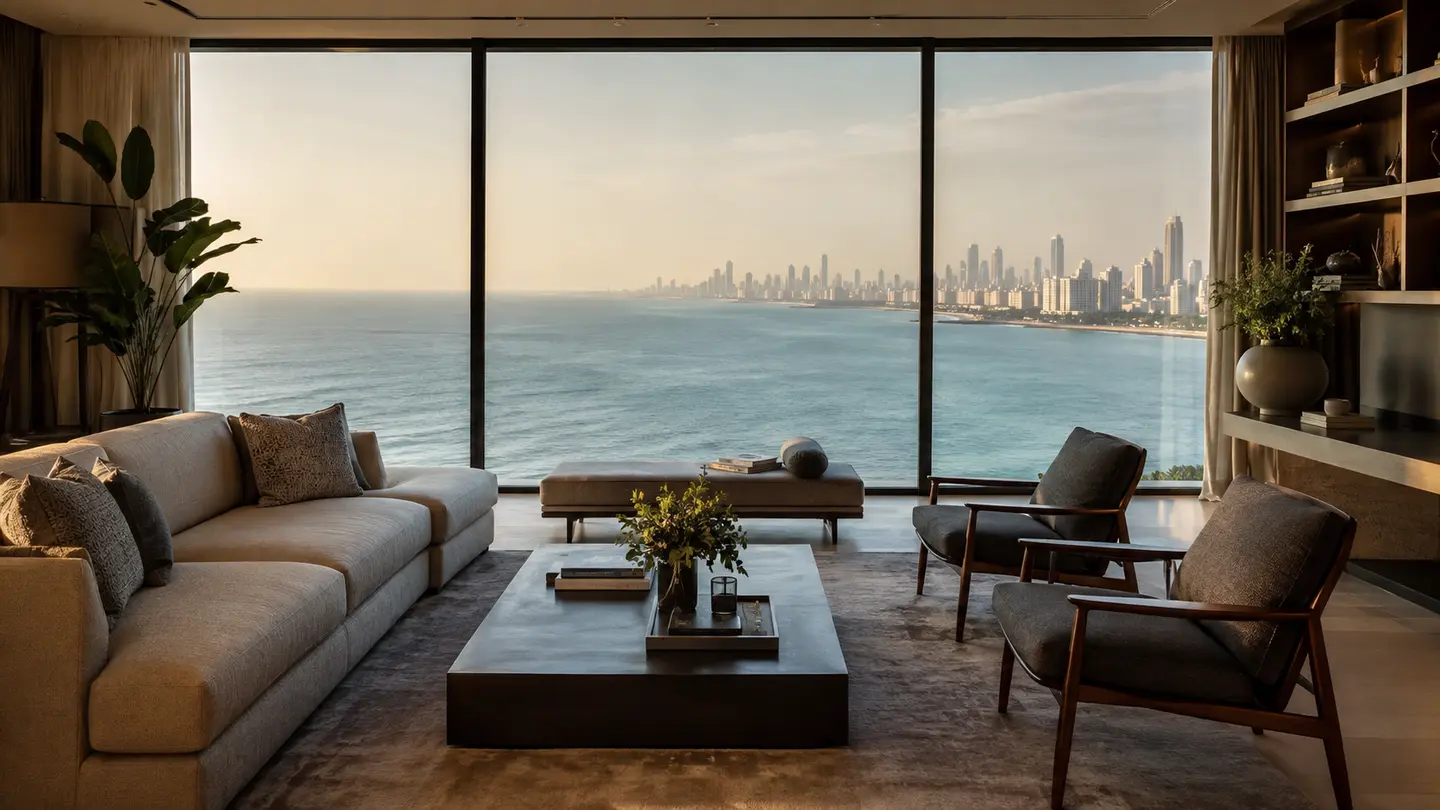
RuPaul has owned an apartment in New York City for more than 25 years, purchased for roughly $350,000, and in 2018 he listed a former Los Angeles-area home for $5 million, though it did not sell at the time, according to Parade. His most distinctive asset is the sprawling ranch he shares with his husband, Australian-born rancher and artist Georges LeBar, spanning roughly 60,000 to 66,000 acres across Wyoming and into South Dakota. Reporting from Gizmodo found that LeBar’s company, Le Bar Ranch, leases mineral, water, and grazing rights on the property to several oil and gas operators, a modern land-management model RuPaul has described in interviews as central to how the ranch generates income.
RuPaul’s estimated net worth
Public estimates vary because private contracts, investments, taxes and liabilities are not fully disclosed.
How this estimate is calculated
RuPaul has never published a consolidated net-worth statement or itemized breakdown of his assets, so any figure is necessarily an estimate rather than a confirmed total. This estimate is built from publicly reported income streams rather than a single disclosed number: hosting and executive-producer fees from “RuPaul’s Drag Race” and its international franchises, his ownership stake in DragCon’s live-events revenue, three decades of music catalog royalties dating to 1993, advances and royalties from multiple published books including a number one New York Times bestseller, and cosmetics and licensing income from brand partnerships. It also factors in known real estate holdings in New York, Los Angeles, and Wyoming. Because none of these figures are individually disclosed in full, the estimate draws on public deal reporting, franchise revenue analysis, real estate records, and figures compiled by celebrity finance trackers, cross-checked across multiple outlets for consistency rather than taken from any single source.
RuPaul’s estimated net worth is $60 million, according to Celebrity Net Worth (secondary source), a figure corroborated by Parade’s 2026 reporting on his Drag Race earnings and real estate holdings.
RuPaul’s philanthropic footprint is closely tied to LGBTQ+ and HIV and AIDS causes, dating back to the 1994 Viva Glam campaign, whose proceeds funded the MAC AIDS Fund. He has continued to use “Drag Race” and DragCon as platforms to spotlight LGBTQ+ visibility and charitable causes, and is widely credited, including by the Television Academy and mainstream press, with helping move drag culture from the club underground into mainstream American entertainment. His public image is generally that of a trailblazer and elder statesman for LGBTQ+ representation, built over more than three decades in the public eye rather than a single high-profile charitable act.
In March 2018, RuPaul faced significant backlash after telling the Guardian he would “probably not” cast a contestant on “Drag Race” who had medically transitioned, remarks that drew criticism from former contestants, including season nine winner Sasha Velour, and from LGBTQ+ advocates more broadly, as documented by Billboard. RuPaul apologized publicly on social media, writing that he understood and regretted “the hurt I have caused.” Separately, reporting from Out in 2020 drew attention to fracking and oil leases on his husband’s Wyoming ranch, which some critics viewed as sitting uneasily alongside the couple’s public environmental messaging. Both episodes prompted public discussion rather than lasting damage to his career.