
 How Much Are They Worth?
Celebrity fortunes, explained
How Much Are They Worth?
Celebrity fortunes, explained

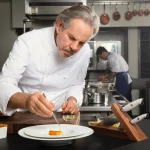




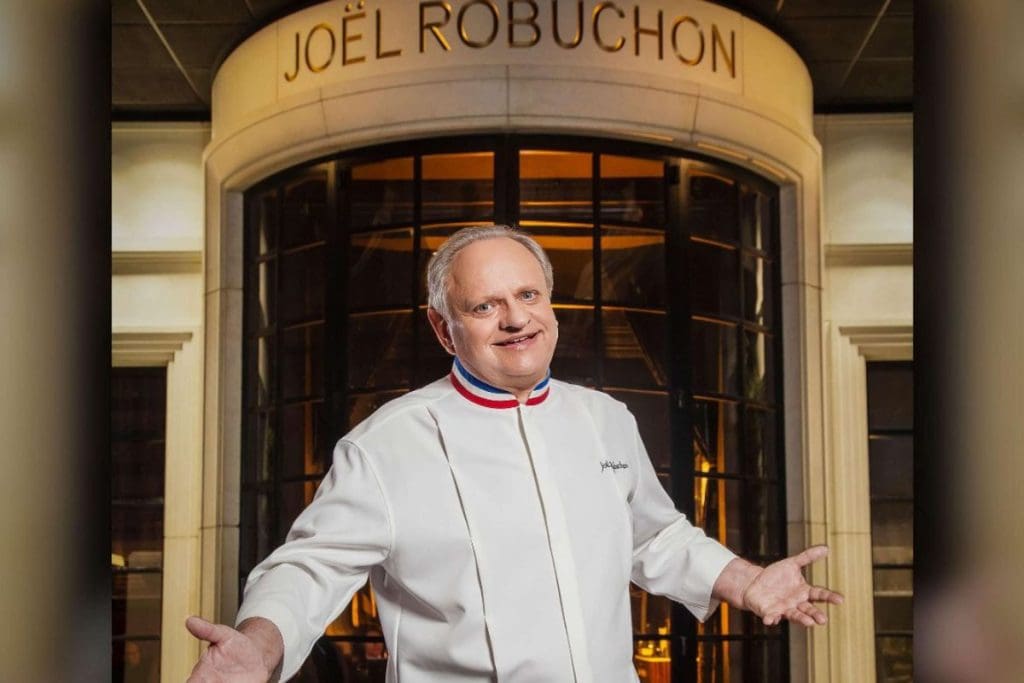
How did Joel Robuchon build this fortune?
The answer unfolds through the career, earnings, deals and assets behind the headline estimate.
Before the fame
The background and early turning points that shaped Joel Robuchon’s route to prominence.
Joël Robuchon was a French chef and restaurateur whose name remains attached to an international restaurant organisation after his death in Geneva on 6 August 2018. Any current figure is therefore an estimate of the wealth attributable to his estate, not continuing personal earnings. Robuchon combined elite cuisine with a more replicable counter-service format, L’Atelier de Joël Robuchon, creating value in trademarks, operating companies and licensing relationships. The Michelin Guide’s obituary for Joël Robuchon records his career and unprecedented Michelin recognition.
Born in Poitiers in 1945, Robuchon initially considered the priesthood before entering a restaurant apprenticeship at 15. He rose through hotel kitchens, became head chef at the Hôtel Concorde Lafayette and in 1976 earned the Meilleur Ouvrier de France distinction. Those salaried years supplied technique and management experience, but his later ownership mattered far more financially. Encyclopaedia Britannica’s Joël Robuchon biography documents the apprenticeship, professional award and progression into restaurant leadership without conflating honours with wealth.
The breakthrough years
The career decisions and defining moments that turned recognition into sustained earning power.
Robuchon opened Jamin in Paris in 1981 and achieved three Michelin stars within three years. The restaurant made him an international reference point for precise, ingredient-led French cooking. Gault & Millau named him “Chef of the Century” in 1989. Jamin’s success increased his earning power and provided the reputation later licensed around the world, but its sales cannot be reconstructed reliably from menu prices. The New York Times obituary of Robuchon traces Jamin’s rapid rise and his influence on modern French cuisine.

What the work can earn
Reported pay, contracts, royalties and performance income reveal how the fortune was funded.
After announcing retirement in the 1990s, Robuchon returned with restaurants designed for international expansion. L’Atelier placed diners at a counter facing the kitchen, reducing some ceremony while preserving premium food. By his death, Michelin counted 24 stars across 13 restaurants in nine cities, while his career total was often reported even higher as guides and venues changed. Eater’s report on Michelin’s statement provides the clearly dated 2018 operating snapshot. Star counts are demand evidence, not personal assets.
During his life, Robuchon’s likely income included restaurant profit, management and licensing fees, hotel partnerships, television compensation, books and consulting. Many venues operated inside casino resorts or luxury hotels, where the property owner bore substantial capital costs and the chef organisation supplied concept and standards. The MGM Grand’s Joël Robuchon restaurant page confirms the continuing Las Vegas flagship relationship. HMW values attributable fees and equity rather than assigning the estate the resort’s restaurant revenue.

The business beyond the main career
Endorsements, ownership interests and investments can keep compounding long after the initial breakthrough.
Robuchon published numerous cookbooks and appeared regularly on television, creating intellectual property beyond physical restaurants. Product partnerships and culinary consulting added further income, though most deal values were private. Hachette’s Joël Robuchon author page identifies books issued through the publisher. Posthumous royalties may continue, but their present value is modest compared with an international hospitality brand unless sales remain exceptional.
The contemporary Joël Robuchon group continues to list restaurants in Europe, Asia, the Middle East and North America, implying that trademarks and operating arrangements survived the founder. The Joël Robuchon International restaurant directory supplies the current footprint used here. The estate’s exact ownership, succession structure and partner shares are not publicly disclosed. Consequently, this profile assigns a discounted estate interest rather than pretending that every restaurant bearing his name is wholly owned by his heirs.
Notable luxury item
A reported property or major asset offers a tangible glimpse of the wealth behind the public estimate.
Potential estate assets include cash accumulated during Robuchon’s career, property, company shares, copyrights, trademarks and contractual royalty rights. Probate details, lifetime gifts, tax liabilities and division among heirs are not public. Restaurant premises may belong to hotels, landlords or local partners, and operating equipment is not equivalent to freely distributable cash. Joël Robuchon International’s Bouskoura location page demonstrates continued, specific use of the Robuchon name after his death but does not disclose the estate’s economic participation, so no ownership percentage is invented.
Joel Robuchon’s estimated net worth
Public estimates vary because private contracts, investments, taxes and liabilities are not fully disclosed.
How this estimate is calculated
The estate model assigns $35 million to $55 million of cumulative retained cash and investments from decades of restaurant, licensing, television, publishing and consulting income after tax and consumption. It adds $25 million to $45 million for attributable interests in restaurant companies, trademarks, copyrights, property and posthumous royalty streams. A deduction of $15 million to $30 million covers estate taxes, lifetime transfers, partner ownership, liabilities, business illiquidity and overlap between earnings and assets. The resulting estate-value range is approximately $50 million to $75 million. The conclusion uses the rounded centre and should not be read as the aggregate value of all independently operated Robuchon-branded restaurants.
Robuchon built public reach through French television programmes including Bon appétit bien sûr, cookbooks and mentorship as well as restaurants. His mashed potato purée became an emblem of his insistence that humble ingredients deserved exact technique. Time’s account of Robuchon’s signature purée connects the dish to his broader culinary reputation. Television and publishing supplied fees and royalties during his lifetime, but posthumous value depends mainly on continuing rights, reprints and authorised use of his name.
The strength of the estimate lies in a documented multi-decade career and an international branded system. Its weakness is the absence of consolidated accounts, a disclosed brand sale or public probate valuation. Reuters reported that Robuchon owned and ran restaurants on three continents at death, but “owned” in journalism can cover several legal arrangements. Euronews’ Reuters report on Robuchon’s death supports the global scale. The model discounts former and partner-owned venues and excludes future restaurant turnover.