
 How Much Are They Worth?
Celebrity fortunes, explained
How Much Are They Worth?
Celebrity fortunes, explained


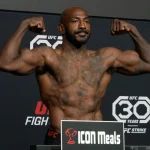
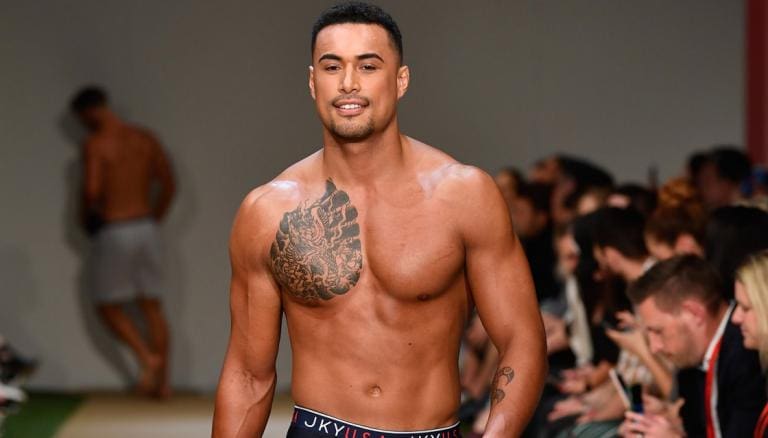
How did Carlos Ulberg build this fortune?
The answer unfolds through the career, earnings, deals and assets behind the headline estimate.
Carlos Ulberg before the fame
The background and early turning points that shaped Carlos Ulberg’s route to prominence.
Carlos Sao Murry Ulberg was born on November 17, 1990, in Auckland, New Zealand, of Samoan, Maori, and German descent, according to his biography on Wikipedia. His father boxed for Samoa at the Commonwealth Games, but Ulberg’s own upbringing was far less settled: he was raised by a foster family in South Auckland from the age of four and attended Sir Edmund Hillary Collegiate. He originally hoped to play rugby and only turned to martial arts after being bullied as a child, training first for self-defense before discovering he had a talent for hitting hard. That South Auckland foundation, shaped by instability at home and structure in the gym, is the backdrop City Kickboxing and UFC commentary teams return to whenever his story is told.
Ulberg built his combat sports foundation in kickboxing, not MMA. Fighting out of Auckland’s City Kickboxing gym, he compiled a 19-2 kickboxing record with 12 knockouts and won the King in the Ring 100kg title in 2017 and the King in the Ring 92kg title in 2019, becoming a two-time champion before he seriously pursued the cage, as detailed in the New Zealand Herald’s profile ahead of his Contender Series appearance. He also worked as a model during this period and reportedly turned down an offer to appear on The Bachelor NZ to keep his focus on fighting. He made his professional MMA debut in 2011 with a knockout win under the regional King of the Door promotion, but spent most of the following decade building his striking credentials in kickboxing rings rather than cages, only returning to MMA in earnest once City Kickboxing’s coaching staff felt his skill set was ready to translate.
Carlos Ulberg’s breakthrough years
The career decisions and defining moments that turned recognition into sustained earning power.
Ulberg’s breakthrough came on Dana White’s Contender Series in November 2020, where he knocked out Bruno Oliveira in the first round to earn a UFC contract, with White specifically praising his kickboxing pedigree. His actual UFC debut did not go smoothly: he was knocked out by Kennedy Nzechukwu in the second round at UFC 259 in March 2021, though the fight was exciting enough to earn him a Fight of the Night bonus in defeat. That loss proved to be the last blemish on his record for years. As Yardbarker’s profile of his rise noted, Ulberg went from being viewed as “a flashy kickboxer with potential but limited Octagon experience” to quietly building one of the most impressive resumes in the light heavyweight division, adding real defensive wrestling and fight management to his knockout power.

What Carlos Ulberg’s work can earn
Reported pay, contracts, royalties and performance income reveal how the fortune was funded.
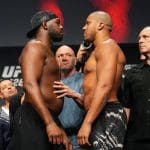
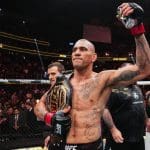
Starting with a win over Fabio Cherant in February 2022, Ulberg reeled off ten straight victories, a run that included a 12-second knockout of Alonzo Menifield, a submission of Da-Woon Jung, and decision wins over Volkan Oezdemir and former champion Jan Blachowicz, according to the UFC’s own breakdown of his winning streak. That streak, along with a first-round finish of Dominick Reyes in September 2025, earned him a shot at the vacant light heavyweight title against former champion Jiri Prochazka at UFC 327 on April 11, 2026, in Miami. Fighting in front of a crowd that included U.S. President Donald Trump, Ulberg knocked out Prochazka in 3 minutes and 45 seconds of the first round, even though his knee had buckled earlier in the fight, a detail Al Jazeera covered in its report on the title-winning knockout. The win made him the first UFC champion from New Zealand.
Ulberg’s title win turned him into New Zealand’s most prominent active combat sports star, following a path already carved out by his City Kickboxing teammate Israel Adesanya. His profile had already been building through his ten-fight win streak, with outlets tracking his rise well before UFC 327; the Yardbarker preview of the Prochazka fight framed him as a fighter who had matured from a one-dimensional striker into a complete title threat. His stock rose further given the circumstances of the win, fighting through a significant knee injury rather than folding under pressure, a storyline that CBS Sports referenced in its coverage of the resulting title picture. He now sits at the center of the light heavyweight division’s biggest storylines even while sidelined, with contenders like Magomed Ankalaev and Prochazka jockeying for position beneath him.
Carlos Ulberg’s business beyond the main career
Endorsements, ownership interests and investments can keep compounding long after the initial breakthrough.
Ulberg’s sponsorship portfolio is still developing relative to his new status as champion. He has worn a Dynasty Sport basketball singlet as part of an apparel partnership and has picked up general sports and fitness brand interest as his profile has grown, per the same EssentiallySports report on his income streams, though it notes his endorsement income “isn’t fully disclosed.” Unlike longer-tenured champions with multi-year global sponsorship deals, most of Ulberg’s outside income currently comes from social media brand collaborations and appearance fees rather than a headline endorsement contract, a gap that is typical for a fighter who has only just claimed his first UFC title and is expected to close as sponsors respond to his new champion status.
Ulberg has started building a commercial presence outside the cage, though it remains modest next to his athletic profile. He has released branded merchandise through the Millions app and partnered with the streetwear label Full Violence on apparel drops, according to EssentiallySports’ breakdown of his career earnings and endorsements. He has also done modeling work and appeared on the New Zealand reality show Game of Bros in 2018, before his MMA career took off. None of these ventures amount to a disclosed equity stake or a standalone company in the way some champions build post-fame businesses, and his commercial activity so far looks more like brand-building around his fighting identity than diversification into unrelated industries.

Carlos Ulberg’s notable luxury item
A reported property or major asset offers a tangible glimpse of the wealth behind the public estimate.
Ulberg has kept his personal assets almost entirely out of public view. A profile from CollegeNetWorth’s breakdown of his finances confirms only that he resides in Auckland, New Zealand, and trains locally, with no mention of property ownership, vehicles, or other major purchases. No verified reporting has surfaced documenting a house, car collection, or investment property tied to his name, which is consistent with a fighter who spent most of his career outside the UFC’s highest pay brackets until his title win in April 2026. Absent public records, his major assets should be treated as undocumented rather than assumed to be minimal, since a champion’s payday and lifestyle can change quickly once title money starts to arrive.
Carlos Ulberg’s estimated net worth
Public estimates vary because private contracts, investments, taxes and liabilities are not fully disclosed.
How this estimate is calculated
Ulberg’s net worth is built almost entirely from UFC fight purses, with modest supplemental income from merchandise and sponsorships. Before his title win, net worth outlets converged on a range of roughly $750,000 to $1 million, built on a career purse total that grew from a reported $66,000 payday (a $33,000 show purse plus a matching win bonus) early in his UFC run to an estimated $200,000 for his first-round finish of Dominick Reyes in September 2025. His UFC 327 title fight purse against Prochazka has not been publicly disclosed, unlike some of his earlier fights, but title bouts typically pay substantially more than non-title main or co-main events once locker room bonuses and any pay-per-view points are included, and the UFC has historically rewarded first-time champions who deliver highlight-reel finishes. Combining his pre-title purse earnings with a reasonable title-fight payday, his merchandise and Full Violence apparel income, and his Dynasty Sport sponsorship, then deducting typical taxes, coaching splits owed to City Kickboxing, and management fees, produces a current net worth meaningfully above the pre-title estimate. That said, the ACL surgery that followed his win rules out any further 2026 fight income, which caps how far his estimate can be pushed until he returns to the cage in 2027. A minority of outlets, including Sidekick Boxing’s secondary estimate of his earnings, project his net worth could reach $2 million to $3 million within the next few years as his title reign generates bigger paydays, though that figure is speculative and tied to fights he has not yet had.
Ulberg’s public image is closely tied to City Kickboxing’s community work in Auckland. The gym has led anti-violence and anti-“coward punch” campaigns since the death of rising fighter Fau Vake, who was killed by an unprovoked punch outside an Auckland pub, and in 2026 took that programme nationwide in partnership with the Blue Light charity and police, working with at-risk youth and schools around New Zealand, according to 1News’ coverage of the programme’s expansion. As one of the gym’s most visible fighters and now its first UFC champion, Ulberg’s success has raised the profile of that community initiative even though he has not fronted a personal charity of his own. His broader public image is that of a fighter who overcame a difficult, foster-care upbringing through discipline and hard work, a redemption arc that dominates most coverage of his title run.
Ulberg has not been the subject of any documented legal or disciplinary controversy, but his UFC 327 win produced a public feud with Jiri Prochazka. After the fight, Ulberg publicly rejected Prochazka’s claim that he had shown “mercy” by not finishing him more aggressively while his knee was hurt, calling him a “pretender” in an interview on The Ariel Helwani Show. Prochazka responded personally, telling Helwani “I don’t want to hear this bulls**t from a stripper,” a reference to Ulberg’s past work as a party host and entertainer before his fighting career took off, a clash MMAmania covered in detail. The exchange generated significant discussion in MMA media but did not involve any sanction, injury dispute, or reversal of the result, and Ulberg’s own public standing has remained largely positive through the episode.