How did Juan Manuel Fangio build this fortune?
The answer unfolds through the career, earnings, deals and assets behind the headline estimate.
Before the fame
The background and early turning points that shaped Juan Manuel Fangio’s route to prominence.
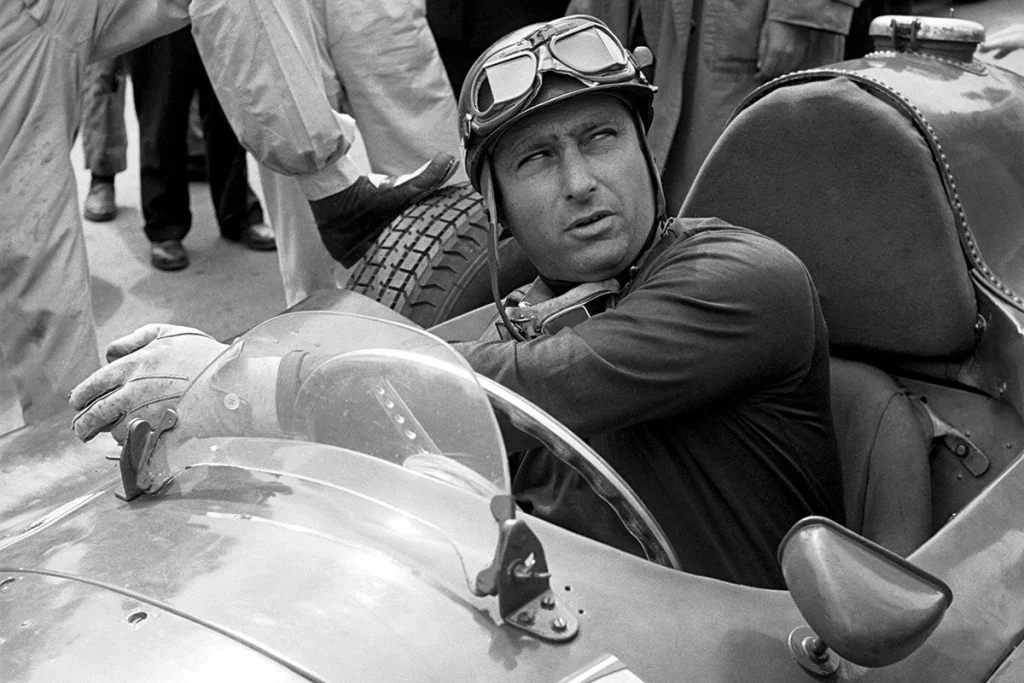
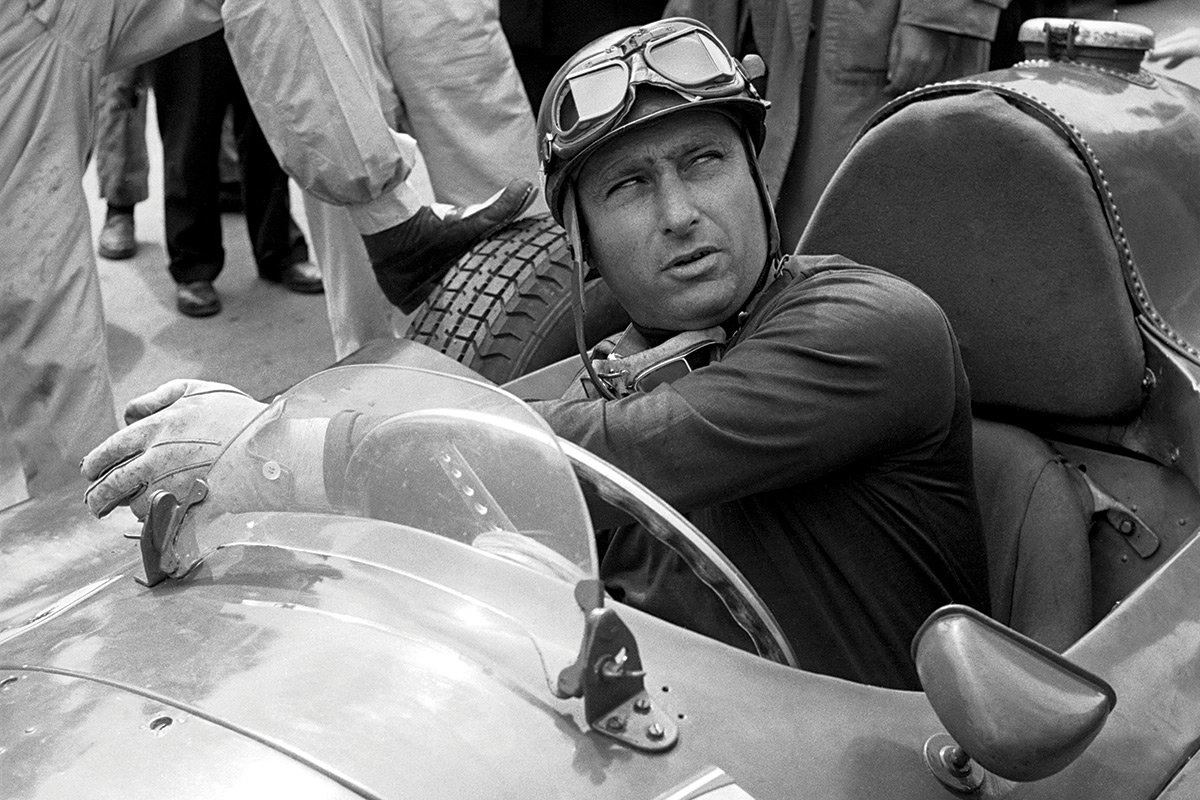
Juan Manuel Fangio was an Argentine racing driver born in Balcarce in 1911 and died there in July 1995. This is an estate-at-death estimate, not a claim about a living person or the present value of a museum. Fangio raced before modern Formula One television rights and salary disclosure, then spent decades in automotive business and ambassadorial roles. The Formula 1 Hall of Fame biography records five championships, 24 victories from 51 championship starts and his death at 84, providing the core career chronology.
Fangio learned mechanics in Balcarce, opened a workshop and competed in Argentina’s punishing road races before European Grand Prix success. Those businesses and domestic prizes mattered in local terms, but Argentina’s inflation and currency changes make modern dollar conversions unreliable. HMW therefore does not fabricate a per-race salary for the 1930s or 1940s. Early earnings are represented as a conservative workshop, prize and savings base, with wartime interruption and the cost of cars, mechanics and travel reducing retention.
The breakthrough years
The career decisions and defining moments that turned recognition into sustained earning power.
Support from Argentine motorsport organizations helped Fangio race in Europe, where he joined Alfa Romeo for the new world championship and won the 1951 title. His leverage came from an extraordinary strike rate and willingness to move to the strongest available team. Formula 1’s champions retrospective confirms titles with Alfa Romeo, Mercedes, Ferrari and Maserati. Team contracts from that era are not publicly filed; the estimate uses historically plausible compensation bands rather than invented exact salaries.
What the work can earn
Reported pay, contracts, royalties and performance income reveal how the fortune was funded.
Fangio won championships in 1951 and in four consecutive seasons from 1954 through 1957, with his Nürburgring comeback in 1957 often identified as his greatest drive. His five-title record stood for 46 years. Mercedes-Benz’s corporate history confirms his 1954 and 1955 championships in the W 196 R. Championships strengthened pay and later ambassadorial value, but trophy counts are not multiplied by modern prize funds, which did not exist in comparable form.
During his racing peak, income likely combined manufacturer salary, start money, prize shares and bonuses, plus workshop and dealership activity in Argentina. After retirement, automotive executive, dealer and ambassador roles provided a longer, steadier stream. Public sources securely establish the roles but not compensation. HMW models seven elite championship seasons at high 1950s sports-income bands, then discounts heavily for racing costs and tax. It separately models decades of automotive-business income without assuming that Fangio owned Mercedes-Benz Argentina or receiving any share of the manufacturer’s enterprise value.
The business beyond the main career
Endorsements, ownership interests and investments can keep compounding long after the initial breakthrough.
Fangio’s later commercial value came from manufacturer representation, exhibitions and the licensing of his reputation rather than modern social media or streaming. He was closely tied to Mercedes-Benz for decades and helped preserve his sporting legacy. No reliable schedule of appearance fees, licensing royalties or executive salary has been published. Those channels receive a restrained annual allowance in the estate model. Modern tribute products and events after 1995 belong to their producers or the foundation unless estate ownership is specifically documented.
Fangio’s mechanical workshop, dealership relationships and senior Mercedes-Benz Argentina position are the plausible business foundation of his estate. The official Fangio Museum site identifies the foundation and preservation mission, but publishes no personal balance sheet. HMW does not value the museum’s cars as estate property. It assigns a conservative amount to Fangio’s private business and investment interests at death, recognizing Argentina’s currency instability, illiquidity and the absence of audited ownership percentages.
Notable luxury item
A reported property or major asset offers a tangible glimpse of the wealth behind the public estimate.
Modern auction prices for Fangio-driven cars are striking but largely irrelevant to his estate because the racing machines were owned by manufacturers, institutions or later collectors. In 2013, Associated Press reporting through ESPN recorded $29.6 million for a 1954 Mercedes owned by another seller. In 2025, Reuters reported €51.155 million for a museum-owned streamliner. Neither amount belonged to Fangio or his heirs and neither is added.
Juan Manuel Fangio’s estimated net worth
Public estimates vary because private contracts, investments, taxes and liabilities are not fully disclosed.
How this estimate is calculated
HMW constructs a 1995 estate case in constant dollars. It models Fangio’s elite 1950–58 racing compensation using broad historical bands for manufacturer salary, start money and prize shares, then subtracts substantial car, mechanic, travel and tax costs. It adds conservative after-tax cash flow from roughly three decades of workshop, dealership, executive and ambassador activity, allowing moderate real investment growth but discounting for repeated Argentine inflation and currency disruption. A restrained amount is included for personally owned property, vehicles and business interests; museum/foundation assets and manufacturer-owned race cars are zero. The resulting 1995 estate figure is not inflated to 2026, because doing so would describe hypothetical investment growth after death rather than what Fangio owned when he died.
Approximately $10 million at death in July 1995 (HMW estate estimate).
Fangio remained an international symbol of Mercedes and Argentine motorsport long after retiring in 1958. His reputation supported demonstrations, appearances, honors and executive relationships. That continuing visibility is evidenced by the museum and later commemorations, but it should not be confused with ownership of every object bearing his name. The Municipality of Balcarce’s museum history describes the foundation as a civic and cultural institution; its heritage assets are not added to his personal estate.
No probate inventory, tax return, salary ledger or dealership accounts have been located in the cited public record. Exact historical income is therefore less certain than the sporting chronology. Auction evidence is useful mainly as a warning against confusing provenance with ownership. The Formula 1 account of the 2025 auction says the Indianapolis Motor Speedway Museum was the seller. HMW explicitly excludes those later gains, the foundation collection and the economic value of Fangio’s name after death unless it was demonstrably estate-owned.
JavaScript is off, so all sections are displayed together.