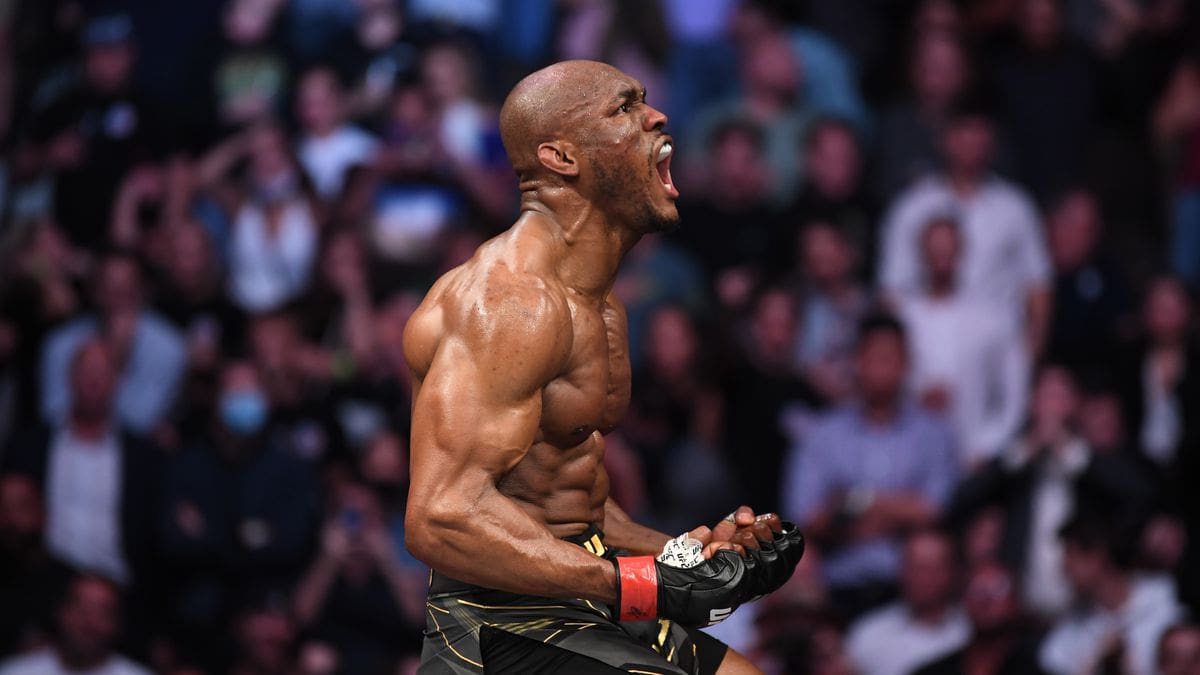
How did Kamaru Usman build this fortune?
The answer unfolds through the career, earnings, deals and assets behind the headline estimate.
Before the fame
The background and early turning points that shaped Kamaru Usman’s route to prominence.
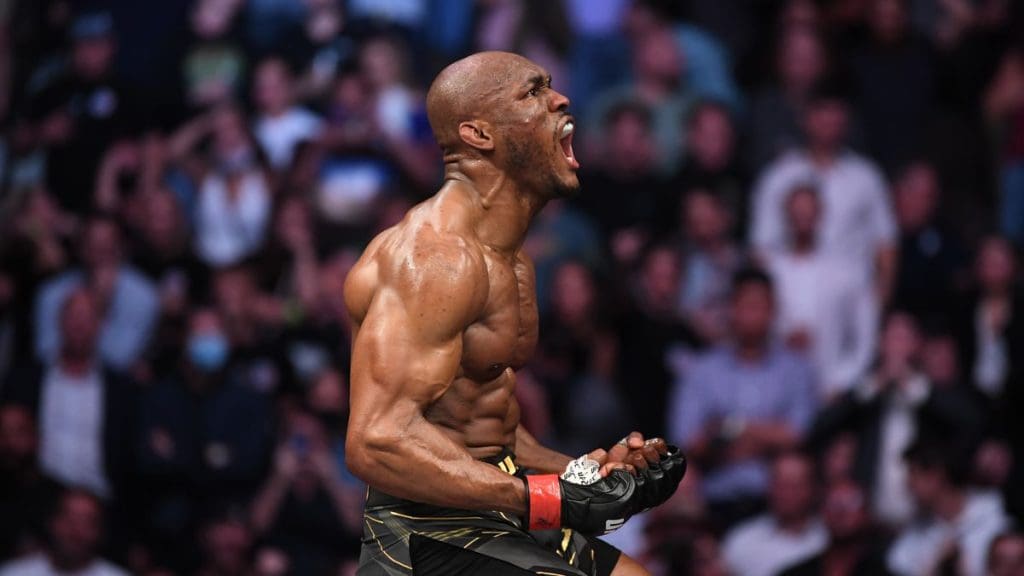
Kamaru Usman is a Nigerian-born American wrestler who became UFC welterweight champion and defended the title five times. His official UFC profile records his championship run and results. HMW estimates retained assets from commission-disclosed purses, title-event ranges, bonuses and commercial work. It does not infer a number from pound-for-pound ranking, and it separates guarantees from PPV points that were never publicly disclosed.
Usman moved to the United States as a child, became an NCAA Division II wrestling champion and entered professional MMA in 2012. He won The Ultimate Fighter in 2015 and then built a long UFC streak. UFCStats’ individual ledger verifies the sequence. Early show-and-win contracts are valued modestly because they preceded his championship leverage.
The breakthrough years
The career decisions and defining moments that turned recognition into sustained earning power.
Usman defeated Tyron Woodley at UFC 235 in 2019 to win the welterweight title. Nevada disclosed $350,000 for Usman, excluding sponsorship, bonuses and PPV. MMA Fighting’s salary report provides that hard floor. It is used as the first champion-period anchor, not as a complete event settlement.
What the work can earn
Reported pay, contracts, royalties and performance income reveal how the fortune was funded.
Usman defended against Colby Covington twice, Jorge Masvidal twice and Gilbert Burns before Leon Edwards ended his reign. UFC’s UFC 261 report documents the Masvidal knockout. Public component estimates for that event included $600,000 fight pay, a $50,000 award and $42,000 compliance pay, before any private PPV participation.
UFC guarantees, PPV participation, bonuses and uniform-compliance pay dominate. At UFC 278, Utah disclosed $500,000 for Usman despite the loss. MMA Fighting obtained the figure through a records request and explicitly noted that PPV and discretionary money were excluded. HMW uses the disclosure as a floor and applies conservative backend ranges.
The business beyond the main career
Endorsements, ownership interests and investments can keep compounding long after the initial breakthrough.
Usman has worked with apparel, betting, nutrition and recovery brands, and champion status generated higher compliance payments. The UFC 245 payment breakdown lists a $40,000 Reebok amount and $500,000 purse for the first Covington fight. Confidential endorsement terms receive modest annual values rather than invented multi-year totals.
Usman has personal-brand merchandise, speaking and media potential but no public sale or audited company accounts establishing a large operating-business value. Training at elite gyms does not confer ownership. HMW recognizes only a small continuation value for brand and media income, with no arbitrary multiple applied to social followers.
Notable luxury item
A reported property or major asset offers a tangible glimpse of the wealth behind the public estimate.
Federal and state tax, management, coaching, wrestling and striking camps, travel and medical recovery reduce gross pay. Property, mortgages and private investments are not itemized. Usman’s periods between title loss and comeback continued to generate household and training expense without regular fight income. Visible consumption is valued conservatively at resale, not retail.
Kamaru Usman’s estimated net worth
Public estimates vary because private contracts, investments, taxes and liabilities are not fully disclosed.
How this estimate is calculated
The model assigns early-career amounts, uses disclosed title purses as anchors and applies champion ranges to the remaining defenses, with exact bonuses and compliance payments added separately. It includes conservative sponsor, appearance and media income, then deducts tax, management, camps, travel, medical costs and consumption. Restrained property and investment equity is added. PPV is discounted heavily because contract thresholds are private, producing a retained-assets estimate rather than a career-gross total.
UFC’s career summary is used as a second check on which appearances were defenses and which were non-title bouts. The 2025 Atlanta disclosure adds a later-career $300,000 purse plus a $50,000 fight bonus, demonstrating that post-title income remained meaningful but below peak championship estimates. That amount is included as realized compensation rather than extrapolated into future years. The model also reserves for medical recovery and the economic cost of remaining fight-ready during long gaps, when coaching and household costs continued without a corresponding event payment.
No value is added for an unannounced future championship run or hypothetical PPV contract.
Usman’s championship run, Nigerian identity and role in the “three African kings” era broadened his international audience. He appeared in media and film and later competed at middleweight. Reach supports appearances but is not booked as an asset. A 2025 comeback win over Joaquin Buckley restored event income after inactivity, while later results are valued only when realized.
The $350,000, $500,000 and UFC 261 component figures create a credible purse curve. PPV shares remain the largest unknown, and databases often mix them with guesses. HMW builds each title event from non-overlapping components, gives wider ranges to backend and does not assume that every defense paid the same. Future bouts and sponsor claims without announcements are excluded.

JavaScript is off, so all sections are displayed together.