 How Much Are They Worth?
Celebrity fortunes, explained
How Much Are They Worth?
Celebrity fortunes, explained
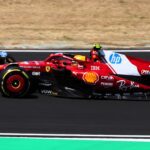


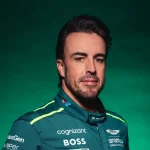


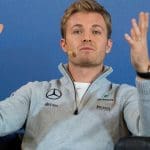

How did Sebastian Vettel build this fortune?
The answer unfolds through the career, earnings, deals and assets behind the headline estimate.
Before the fame
The background and early turning points that shaped Sebastian Vettel’s route to prominence.
Sebastian Vettel is the retired German Formula One driver who won four consecutive world championships with Red Bull Racing. Formula 1’s Hall of Fame profile provides the sporting foundation for assessing his earning years. Vettel retired after the 2022 season, so the current estimate mostly concerns retained career earnings rather than an ongoing elite-driver salary. Occasional appearances are not modelled as a major income stream.
Vettel advanced from karting through Formula BMW and the Red Bull junior system, then became a Formula One race winner with Toro Rosso. Red Bull Racing’s profile records the relationship that shaped his early elite career. Red Bull’s junior programme helped fund his path into Formula One. That support is career context, not an asset or liability carried into the present estimate.
The breakthrough years
The career decisions and defining moments that turned recognition into sustained earning power.
The 2008 Italian Grand Prix victory established Vettel as a front-line driver. His move to Red Bull Racing then converted promise into championship results and much larger compensation. The Monza victory made Vettel the youngest Grand Prix winner at the time. It also accelerated his move into a title-capable seat and substantially better compensation.

What the work can earn
Reported pay, contracts, royalties and performance income reveal how the fortune was funded.
Four titles from 2010 to 2013, a long Ferrari tenure and final seasons with Aston Martin define the major earning phases. Ferrari’s official profile covers his six seasons and race victories for the team. Ferrari supplied his largest publicly reported annual pay. Results did not deliver another championship, but the six-season contract period remained financially significant.
Team salary and performance bonuses formed the main income source. Forbes estimated 2018 earnings of $42.3 million, almost all from salary and bonuses, showing why racing pay dominates the calculation. Forbes snapshots from 2013 and 2018 show how salary rose through his championship and Ferrari years. They also indicate that endorsements were small relative to team compensation.

The business beyond the main career
Endorsements, ownership interests and investments can keep compounding long after the initial breakthrough.
Vettel was comparatively selective with personal endorsements, though he had relationships with brands such as Casio. Autoweek’s report on Forbes’s 2017 figures recorded high driver pay but limited endorsement income. Selective sponsorship reduces diversification but also means the estimate need not rely on speculative brand income. Known endorsement receipts are treated as supplementary rather than central.
Publicly visible activity after retirement centres on sustainability projects and occasional motorsport appearances rather than a disclosed corporate empire. No value is assigned to alleged investments without corporate filings or a stated ownership share. Environmental projects may be investments, philanthropy or advocacy; public descriptions often do not distinguish them. No financial return is assumed unless an ownership interest is documented.

Notable luxury item
A reported property or major asset offers a tangible glimpse of the wealth behind the public estimate.
Vettel has lived in Switzerland and is associated in reports with valuable property, but he deliberately keeps his family finances private. Purchase-price stories cannot establish present equity, mortgages or ownership structure. Swiss residence can affect tax and property context, but private residence does not establish tax treatment for every earning year. No simple headline tax rate is applied retrospectively.
Sebastian Vettel’s estimated net worth
Public estimates vary because private contracts, investments, taxes and liabilities are not fully disclosed.
How this estimate is calculated
The estimate totals a conservative retained portion of his Red Bull, Ferrari and Aston Martin compensation, adds modest investment and property growth, and discounts heavily for tax and living costs. Aston Martin’s archived driver material supports the final-team phase; sparse endorsement evidence keeps the result below simple cumulative-salary calculations. The resulting figure is consistent with a long elite career but lower than gross-salary aggregation. It also avoids treating jointly held family assets as entirely Vettel’s.
Vettel’s reputation extends beyond results through environmental advocacy and driver-safety causes. The FIA’s retirement report confirms the end of his full-time F1 career after 2022. Advocacy after retirement keeps Vettel visible without the commercial intensity of a full-time racing schedule. Public-interest work is not assumed to generate sponsorship revenue.
Multiple Forbes annual estimates provide useful snapshots, while complete career contracts, taxes and spending are unavailable. ESPN’s retirement coverage supports the career timeline rather than the balance-sheet figure. Contract bonuses and deferred payments are unknown, as are portfolio returns. The estimate therefore uses conservative retention ratios across documented high-income seasons.